

Karta ta' Informazzjoni: Benefiċċji ta' Kameras 10GigE u 25GigE għal Applikazzjonijiet ta' Teknoloġija Sportiva
INTRODUZZJONI
Technology in sports has been largely driven by business. A single missed call can easily amount to a loss of millions of dollars. Most owners and team members want to be on the winning side of a “call” but most accept technology as the most impartial and fair method for determining the outcome of a given play. Entertainment, however, has also been a big driving factor and an early influence.
STORJA QOSOR
Many consider the first major technology in sports to be the use of the photo-finish in racing applications. Horse racing first used film-based strip cameras in the 1930’s for such purposes and the adoption to other racing sports was steady.
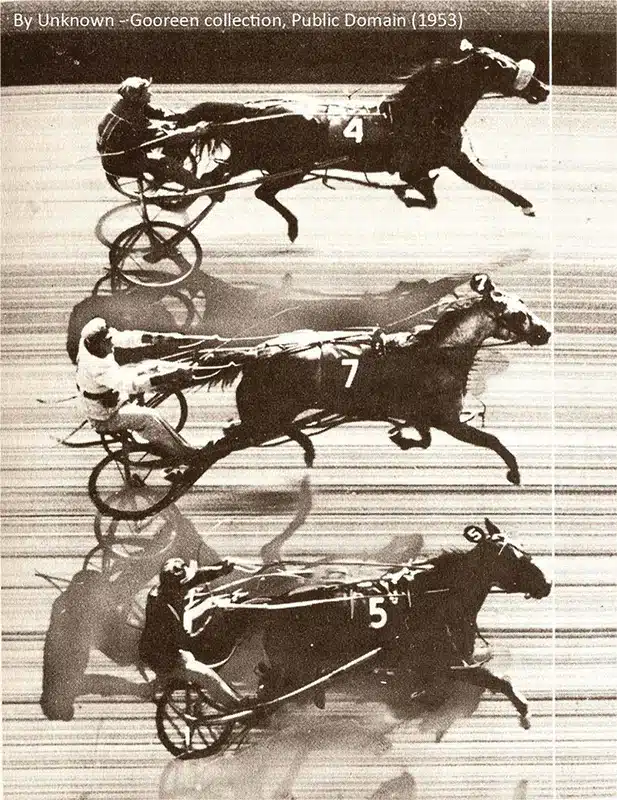
Later, the use of radar for tracking ball speed in baseball in the 1960s. The same technology was much later adopted for tracking serve speed in tennis. These applications were driven more for entertainment value.
In the 1980s, a light-beam based computer system named Cyclops was first used in tennis as an electronic line judge against which even the likes of John McEnroe had few grounds for dispute. Not until the early 21st century did digital video cameras play a role in such efforts and this was a major game-changer which opened many doors in all areas of sports and its entertainment counterpart.
Using multiple cameras with tight synchronization, the pioneers in this realm used triangulation methods to virtually reconstruct the scene in full 3D. This later formed the basis for volumetric capture applications like Virtual, Mixed and Augmented reality- it seems that the line between sports and such applications is becoming quite gray. With such 3D content, there is very little left to the imagination and virtually no grounds for dispute.
Besides automated officiating, performance analysis has become a major application of such technology. Player tracking during matches as well as during training is greatly enhancing the product that is put on the field. During baseball practice, pitcher, batter, and ball movements can be fully captured in 3D and heavily analyzed to determine working formulas for on-field success even down to detecting the spin on a 90mph changeup with micro-second accuracy. On-field performance such as tracking position, player speed, shot speed, etc are now all a standard part of the game.

Lastly, as we have seen in some NBA and NFL broadcasts, some are applying the same technology for purely entertainment purposes such as allowing users to rotate fully around objects on the field for a semi-virtual reality experience. It is very much the same technology and the following paragraphs show why Emergent Vision Technologies Inc is the market leader in such spaces.
ISFIDI
Largely, the challenges come down to the generation of accurate 3D content. They can require tight micro-second timing synchronization between image captures from multiple camera sources for optimal accuracy. They can require excellent image quality under a variety of lighting conditions. Some applications must have images which are high resolution while still maintaining an appropriate frame rate. They can have camera setups which span large areas including stadiums so the simplest options are preferred for system installation and maintenance. They can require many more cameras to complete a system for optimal accuracy. Lastly, as in most applications, cost can be an important factor.

HOW 10GIGE AND 25GIGE CAMERAS CAN ADDRESS THESE ISSUES
Sinkronizzazzjoni tal-ħin
Emergent 10GigE and 25GigE cameras provide a few options to tightly control the timing synchronization between cameras. Emergent has extensive experience in synchronizing cameras using a variety of methods including PTP, hardware triggering, etc, and have been able to demonstrate microsecond accuracies with minimal effort.

Image Kwalità
Emergent cameras only use the best sensors from top vendors such as Sony, Gpixel, and AMS and we work hard to squeeze every ounce of performance out of these sensors which leads to improvements in dynamic range which is important to sports applications in that systems often need to deal with varying lighting conditions.


Wide range of resolutions and frame rates
Sony sensors currently range from 0.5MP @ 1595fps to as high as 31MP @ 35fps and they are coming out very often with higher resolution and higher frame rate sensors. Gpixel sensors currently range from 5MP @ 290fps to 65MP @ 71fps and are on the rise. AMS has the 50MP @ 30fps.
The Sony IMX253 (12MP @ 80fps) and the Sony IMX255 (9MP @ 110fps) are currently the most popular for sports applications but higher resolution sensors like the Sony IMX342 (31MP @ 35fps), Gpixel GMAX0505 (25MP @ 75fps) and the AMS CMV50000 (50MP @ 30fps) are now getting some traction.
Emergent has just also released six new camera models utilizing Sony 4th generation sensors which range from 5MP up to 25MP with frame rates from 269fps to 98fps respectively. The associated sensors are: IMX530, IMX531, IMX532, IMX535, IMX536, IMX537. For highest speed, these sensors employ the highest speed SLVS-EC at 5GHz and Emergent is first to market with full support of these breakthrough sensors.
And, naturally, higher frame rate and resolution require a higher bandwidth interface to sustain this performance for limitless recording times and Emergent is also there with award winning bleeding edge 10GigE and 25GigE camera interface support.
SMPTE ST 2110 Compliance
Broadcast applications are making a switch to Ethernet based technologies to replace the aging, limited, and less cost effective SDI technologies. Having SMPTE ST 2110 compliance is an added benefit to drop cameras into new or existing infrastructures.

How 10GigE and 25GigE compare with other high-speed interfaces
Emergent 10GigE and 25GigE cameras, coupled with CSPI Myricom’s MVA or Mellanox’ VMA/Rivermax, equals or out-performs other interfaces in every technical category and its price performance is the best. With VMA/Rivermax or MVA, all the shortcomings associated with 1GigE w.r.t. CPU utilization, latency and jitter are obliterated. Industry acceptance is excellent as well.

Għażliet tal-Cableing
Here, the closest competitor is CXP. Low cost commodity SFP+ and SFP28 transceivers create a virtually limitless link length. In comparison, CXP6 and CXP12 will achieve 72m and 30m respectively but can go further with expensive fiber adapters. It is important to distinguish between SFP+/SFP28 transceivers and CXP or CameraLink fiber adapters. Transceivers are low cost commodity product which slots directly in the camera and NIC while the fiber adapters are expensive bulky external pieces of hardware (often the same size as the camera itself or even bigger) produced by very few suppliers and these sit somewhere in-between the camera CXP or CameraLink cable(s) and the fiber link which, interestingly enough, uses the same SFP+ transceivers that Emergent employs directly in the camera. And, naturally, you need one fiber adapter at each end of the link since the grabber will typically have the same interface as the camera.

Line Scan camera applications
As discussed in the introduction, film-based strip cameras have historically been employed for photo-finish racing applications. The equivalent camera in modern times is often a Line Scan camera such as the LR-8KG and LB-8KG by Emergent. The camera is placed with vertical orientation and is precisely and continuously scanning the finish line. Moving objects are scanned as they cross the finish line and static aspects of the scene remain unaltered.

Swiċċijiet tan-Netwerk
Is-swiċċijiet tan-netwerk għandhom rwol akbar f'installazzjonijiet robusti milli xi wħud jaħsbu u l-ispiża ta' apparati bħal dawn f'setups b'ħafna kameras hija kkunsidrata baxxa u qed tonqos minħabba l-użu bejn l-industriji. Hemm tliet raġunijiet ewlenin għaliex jistgħu jintużaw swiċċijiet:
Distribuzzjoni tal-PTP
Hawnhekk, arloġġ grandmaster PTP wieħed ta' preċiżjoni għolja jista' jiġi distribwit faċilment lill-apparati kollha li huma konnessi permezz tas-swiċċ.
Multiplexing tal-Kamera/Apparat
10 kameras 10GigE bħall-HR-12000-SC jistgħu jiġu multiplexjati fuq link wieħed ta' 100GigE lura lejn server li jkollu NIC ta' 100GigE b'port wieħed. Dan huwa meħtieġ għal xi sistemi li jużaw servers bi slots PCIe limitati li jżommu n-NICs. Ikkunsidra li f'applikazzjoni ta' 10 kameras għal kull PC dan ikun jeħtieġ 5 NICs 10GigE b'port doppju li jżidu l-ispiża tas-server minħabba l-għadd ogħla ta' slots flimkien mal-ispiża miżjuda tal-5 NICs Doppji 10G meta mqabbla ma' NIC Uniku 100G wieħed. U innota li NIC ta' 100G minn Emergent se jiġi wkoll bl-istess vantaġġi ta' prestazzjoni kif imsemmi hawn fuq li huwa l-aqwa fil-klassi tiegħu.
Redundancy
Bil-punti tal-multiplexing f'moħħok, ikkunsidra li jekk server wieħed b'NIC ta' 100G ma jibqax disponibbli, bidla rapida għal server redundant simili ma tippermetti kważi l-ebda ħin ta' waqfien. Ikkunsidra wkoll li t-twettiq ta' redundanza b'inqas links b'veloċità ogħla bħal 1x 100G vs 10x 10G jeħtieġ ħafna inqas portijiet tas-swiċċ.
Spiża Effiċjenti
This is what it often all comes down to and we invite customers to get their complete system quotes from our competitors and absolutely make sure to perform the technical due diligence and then compare all results before committing to any solution. This goes as much for competitors pushing their expensive CXP wares as for competitors supplying 10GigE or other Ethernet based cameras as it is not just about the technology but it is also about the quality of the implementation and support. It is worth noting that most if not all 10GigE competing technology suffers performance issues that limit number of cameras per PC which has a significant impact on cost.
Bħala konklużjoni, meta tikseb kwotazzjonijiet għal tqabbil, kun żgur li għallinqas 10GigE qed jitqabbel ma' CXP6 x1/x2 jew CXP12 x1 u li 25GigE qed jitqabbel ma' CXP6 x4 jew CXP12 x2.
Additionally, one should understand how many camera channels per PCIe slot you are getting in your frame grabber in comparison to our NICs. We offer 2x 25GigE port cards which is the equivalent of a CXP6 x8 card or CXP12 x4 assuming that the CXP card has independent camera channel support. Note also, as stated above, we offer support of a single 100G NIC which could replace 5x dual port 10G cards with multiplexing switches for large channel density improvements.
Fl-aħħar nett, ifhem l-għażliet tal-kejbils tiegħek speċjalment ir-restrizzjonijiet tat-tul tal-kejbil peress li dawn jistgħu jiddettaw spiża miżjuda b'mod sinifikanti jekk ikunu meħtieġa konvertituri tal-fibra CXP.
What is the overall benefit of using 10GigE and 25GigE cameras for my sports application
- Rati ta' dejta/frejms ultra għoljin
- Ħafna għażliet ta' aċċessorji u kejbils biex ikopru kwalunkwe tul
- Appoġġ għan-netwerk tal-kameras u metodi preċiżi ta' sinkronizzazzjoni b'ħafna kameras inkluż l-appoġġ PTP
- Teknoloġija tal-vidjow multicast
- Overhead baxx tas-CPU, latency baxxa, jitter baxx bl-użu tal-MVA ta' Myricom u l-VMA ta' Mellanox
- L-ogħla għadd ta' kameras għal kull prestazzjoni tal-PC
- Spiża/prestazzjoni kompetittiva ħafna
- Aċċettazzjoni mill-industrija minħabba l-istandardizzazzjoni tal-IEEE u l-AIA
Camera recommendations
Emergent Vision Technologies has numerous camera options for your sports application needs but the following have been work-horses for these applications:
HR-8000-S 10GigE Camera
8MP @ 110fps, SFP+ cabling with transceivers, Sony IMX255 Gen2 Sensor.
HR-12000-S 10GigE Camera
12MP @ 80fps, SFP+ cabling with transceivers, Sony IMX253 Gen2 Sensor.
HB-7000-S 25GigE Camera
7MP @ 210fps, SFP28 cabling with transceivers, Sony IMX420 Gen3 Sensor.
HB-25000-G 25GigE Camera
25MP @ 75fps, SFP28 cabling with transceivers, GPixel GMAX0505 Sensor.
HB-30000-S 25GigE Camera
30MP @ 35fps, SFP28 cabling with transceivers, Sony IMX342 Gen3 Sensor.
HB-50000 25GigE Camera
50MP @ 30fps, SFP28 cabling with transceivers, AMS CMV50000 Sensor.
In addition, the following recently released camera models promise to deliver excellent performance for all sports applications:
HB-5000-SB 25GigE Camera
5.1MP @ 269fps, SFP28 cabling with transceivers, Sony Pregius S IMX537 Gen4 Sensor.
HB-25000-SB 25GigE Camera
24.47MP @75fps, SFP28 cabling with transceivers, Sony Pregius S IMX530 Gen4 Sensor.
LR-8KG 10GigE Line-Scan Camera
8192 pixels horizontal, Single line- 137KHz- 8K, Trilinear- 45KHz- 8K, SFP+ cabling with transceivers, Gpixel GL0816 sensor
LB-8KG 25GigE Line-Scan Camera
8192 pixels horizontal, Single line- 200KHz- 8K, Trilinear- 66KHz- 8K, SFP28 cabling with transceivers, Gpixel GL0816 sensor

Dwar Emergent Vision Technologies
Emergent Vision Technologies twaqqfet fl-2007 f'Vancouver, il-Kanada. Aħna kumpanija rebbieħa ta' premji bbażata fuq kisbiet bħal:
- 2010: First camera company to launch 10GigE camera product
- 2018: First camera company to launch 25GigE camera product
- 2018: L-ewwel kumpanija tal-kameras li tniedi linja ta' prodotti ta' kameras tal-iskannjar tal-linja ta' 10GigE u 25GigE.
We bring together over 40+ years of imaging experience ranging from life science, security and machine vision/industrial markets. We continue to be on the bleeding edge of new sensors and camera technologies to help fill our customers application needs.
In close collaboration with our global network of highly qualified partners and distributors, we offer individual consulting and support for your applications. Our online Knowledge Base provides various white papers, application notes and other resources to accelerate your system specification and development. Please contact us to find out what we can do for you!


